


Pupils experience university-level research in the classroom.
The Biology Department has been fortunate to have secured access to a portable Scanning Electron Microscope (SEM) as part of an initiative led by the Institute for Research in Schools, Hitachi Global and the Royal Microscopical Society.
The SEM was on loan for nine weeks, shared between Hutchesons’ Grammar School, Shawlands Academy and Glasgow Science Centre, fostering collaboration across all three sites. The shared access creates an exciting opportunity for pupils and staff to be exposed to scientific technology more commonly found in universities. Unlike a traditional microscope, an SEM uses a focused beam of electrons rather than light to produce highly detailed, three-dimensional images. The technology can reveal structures invisible to the naked eye, from the intricate interlocking spines of a praying mantis to the biconcave surface of human red blood cells.
Alongside curriculum-based learning, there is a strong community focus, with more than 200 students expected to engage with the programme in our locality. Our school will collaborate with Glasgow beekeepers and host a hands-on bee imaging workshop. The Glasgow Science Centre will host a drop-in microscopy session introducing the wider public to the SEM, while Young STEM Leaders will share their work with P7 pupils in their local communities, encouraging the next generation to engage with STEM.
The opportunity extends beyond the loan period with pupils from Hutchesons’ working with the James Hutton Institute in Dundee, to investigate how microscopic structures on plant leaves can help improve drought tolerance in commercial crops.
Dr D McCarthy, Biology Teacher at Hutchesons’ Grammar School commented;
“Seeing this project become a reality has been hugely rewarding. This week our S3 pupils have scanned specimens kindly given to us by Glasgow University. This collaboration has opened their eyes to the beauty and detail of the microscopic world.”
The Institute of Research in Schools shared;
“We want to change the culture in UK education so that authentic research and innovation are part of every young person’s experience.”
See below some images our pupils captured with the SEM below.
-
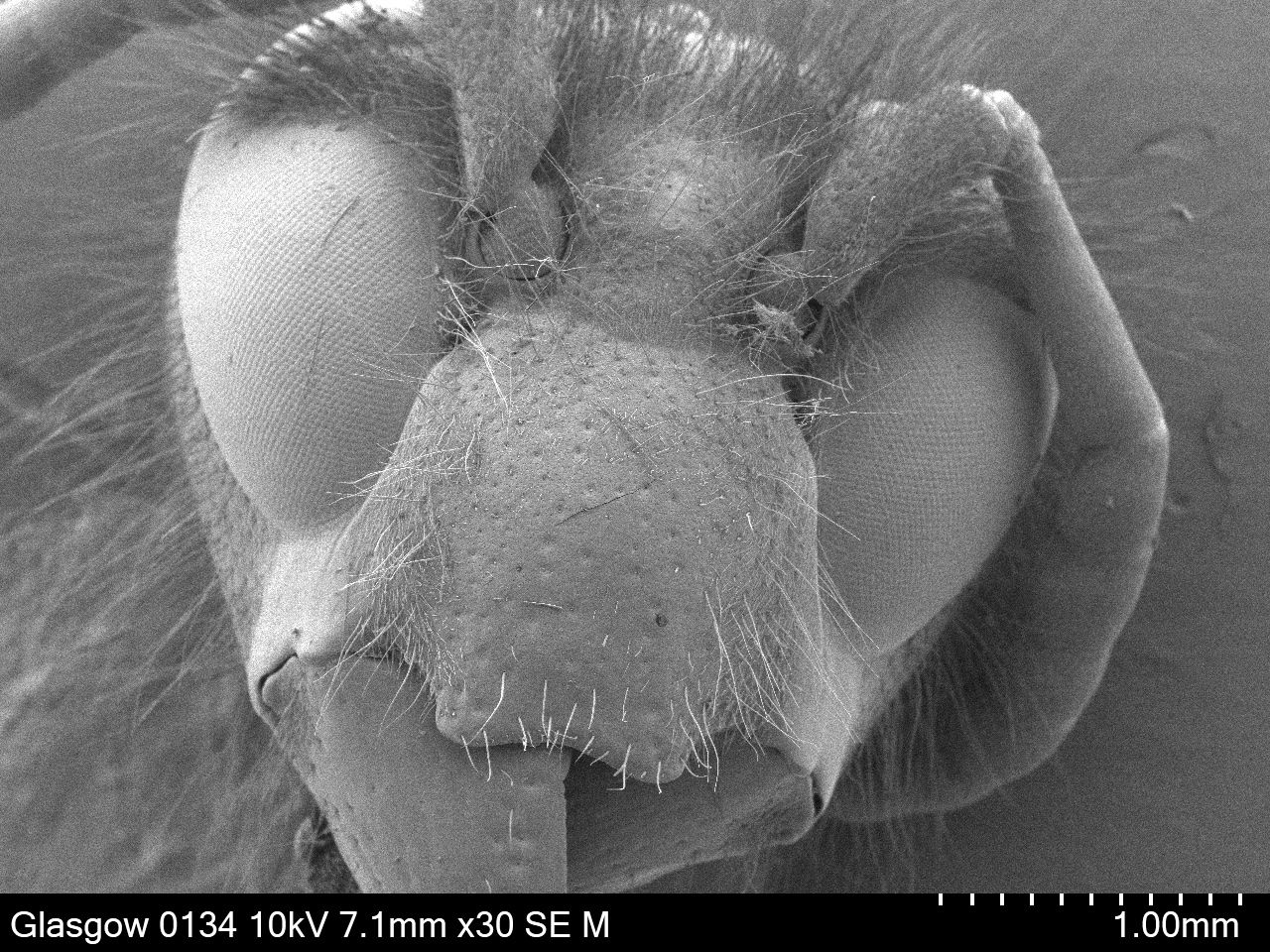
- A Bee Head
-
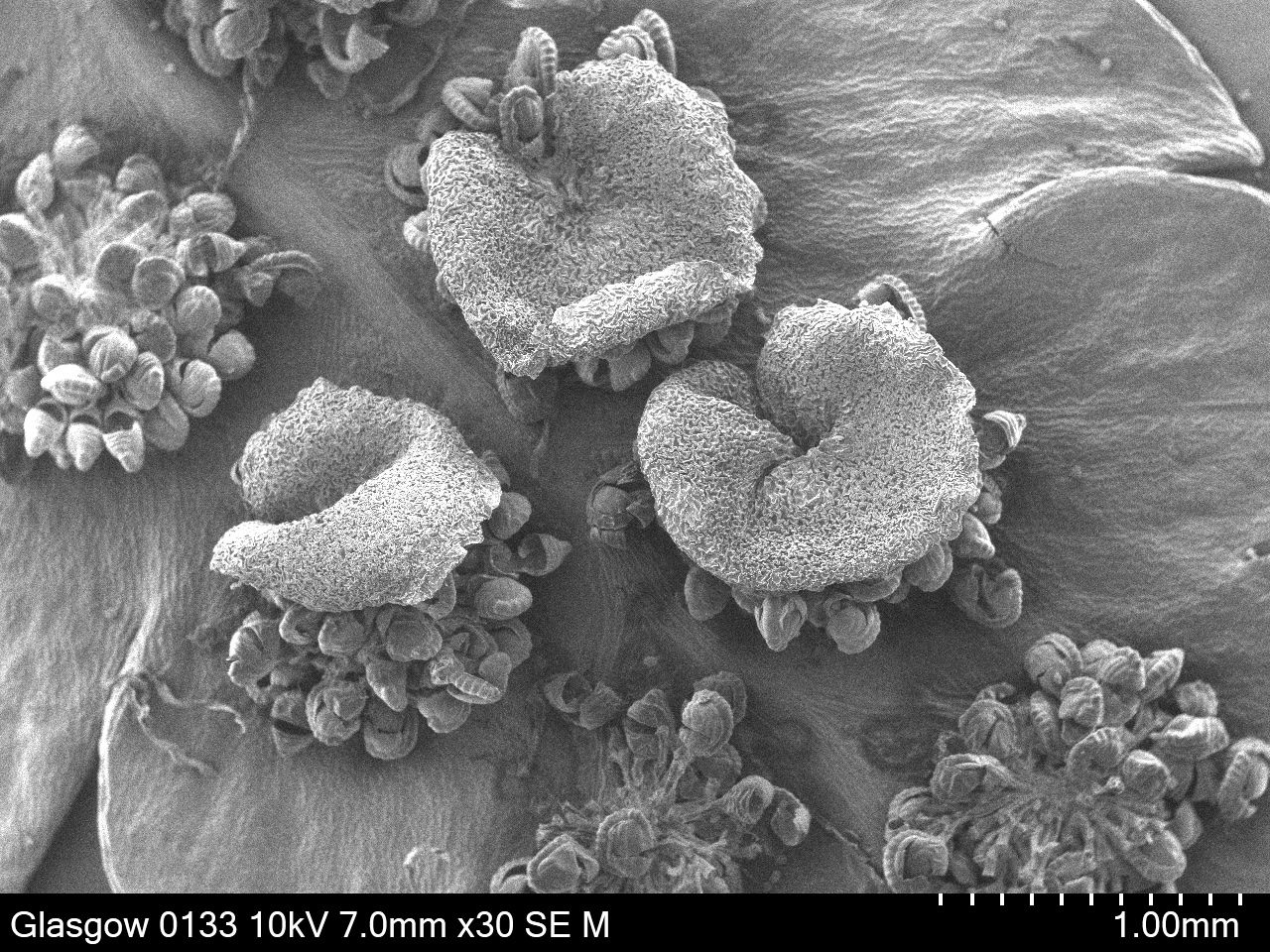
- A Fern Frond
-
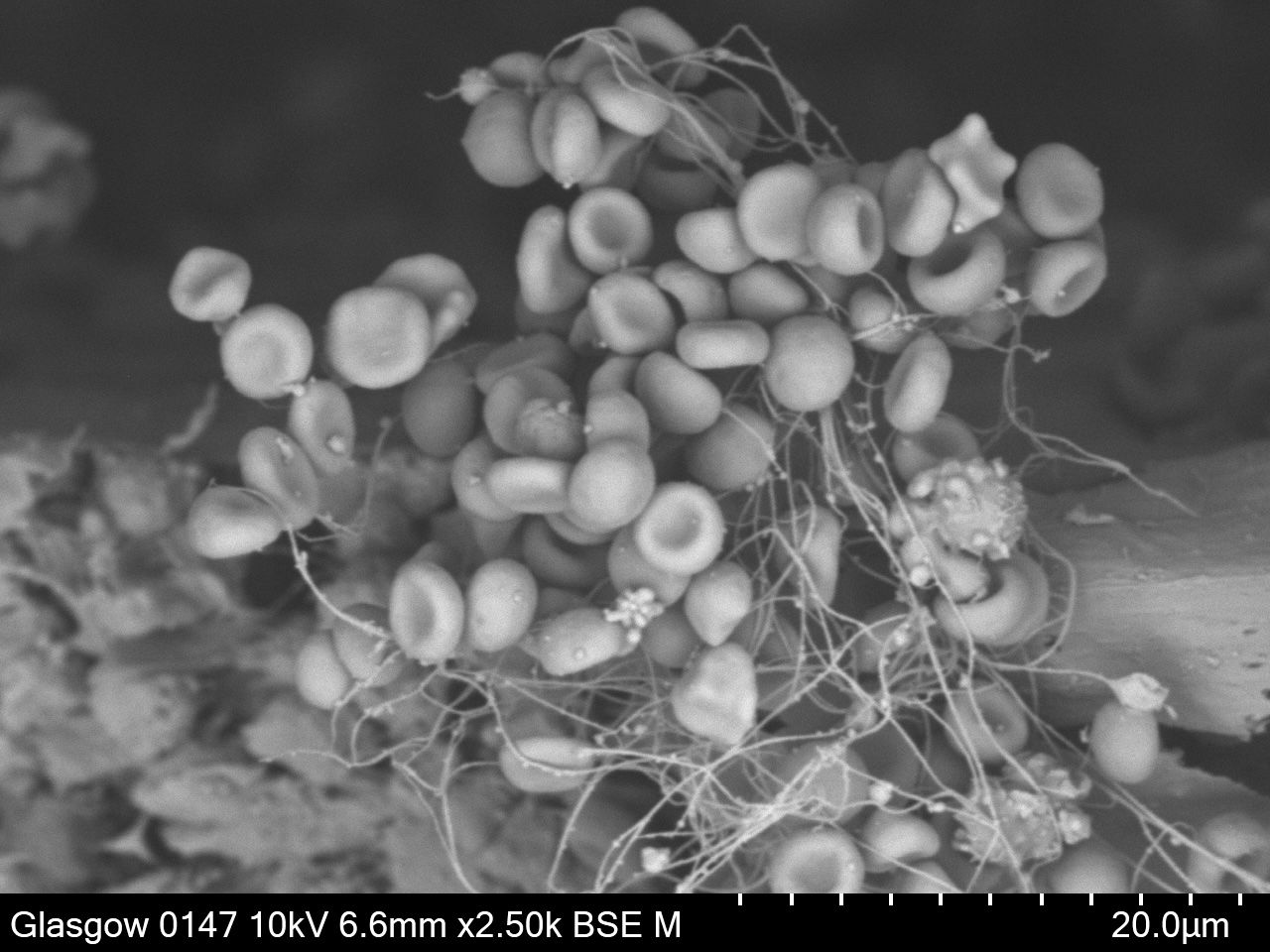
- Red Blood Cells
-
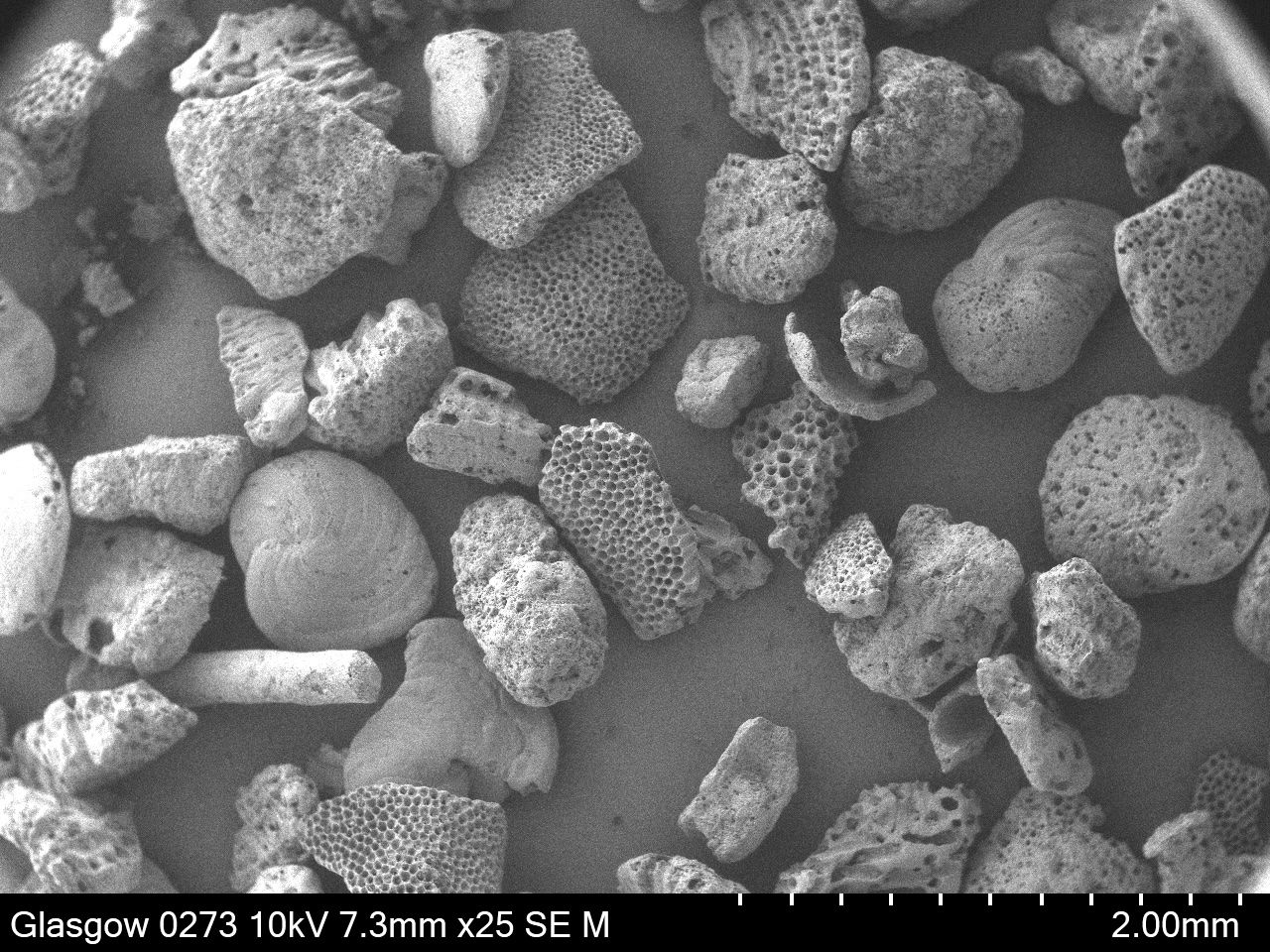
- Sand in Bahamas